Prison Education Framework
A government guide to changes to prison education provision, including reasons behind the change, how the new system will work, and how to become a service provider in prisons.
A government guide to changes to prison education provision, including reasons behind the change, how the new system will work, and how to become a service provider in prisons.
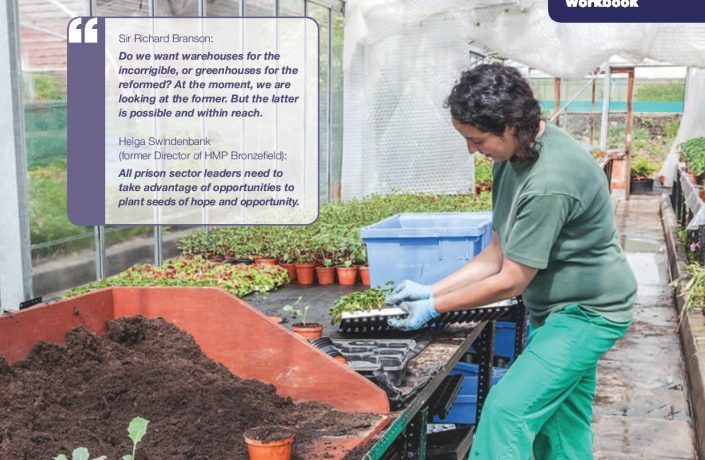
Offender Learning and Skills Service (OLASS) contracts come to an end in April 2018, making way for a new era of prison governor-led education commissioning. Prisons are being given increasing flexibility and control over education budgets and the ability to commission a wide range of provision.
The workbook is designed to support prison governors and managers with this process.
This report presents an evaluation of a Learning Together partnership between Open Book at Goldsmiths, University of London and HMP & YOI Isis - supported by the Prisoners’ Education Trust.

Published as the sector awaits Charlie Taylor's review of the youth justice system, this report looks at the educational opportunities for young people in custody.
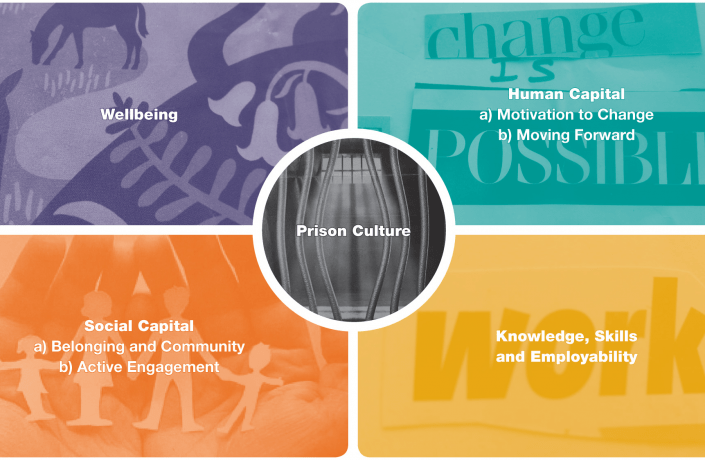
We know that prison education can make a difference. But how does that ‘change’ process happen and what role can education play? The Prisoner Learning Alliance (PLA) aims to stimulate debate around these issues. Using research with teachers and former prisoners, the report examines how we can measure the benefit of education in prison, and how we can improve its provision.
Prisoners' Education Trust approached Pro Bono Economics to undertake an impact assessment of their programme that funds educational resources for prisoners. Following on from research by the Ministry of Justice, economists estimated that PET would need to reduce reoffending by just one percentage point for the costs of the programme to outweigh the costs associated with reoffending (for example, costs to society, the victim and the criminal justice system).
PET’s Chief Executive draws on evidence to document the many ways education offers prisoners a new and positive identity. He outlines the four main categories of desistance theory and how education is a successful way of reducing re-offending rates.

This report offers a rare insight into prisoners’ views on education and finds that learning in prison could and should do more to help prisoners progress beyond basic skills.
Prisoners Education Trust (PET) and the Prisoner Learning Alliance (PLA) response to The Department for Business Innovation and Skills proposals to expand the loans system by age and level of qualification.
A briefing document outlining PET's concerns, questions and recommendations about the Ministry of Justice's plans for secure colleges, with a particular focus on education and learning.
© Prisoners' Education Trust 2026